

In the midst of Mt Maunganui’s busy main street is an unassuming glass door leading upstairs to a small studio space. Bright yellow splashes of colour create a vibrant atmosphere in the entry hall where a feature wall is decorated with building designs and concepts. This is the home of ATA – architectural design studio, headed by Adam Taylor.
For the past 12 years Adam has been at the helm of his own studio, first under the name Adam Taylor Architecture, which then rebranded to ATA. The foundation of ATA’s style is built on equilibrium, drawing in all the elements of design to create a balanced rhythm within each project. This design ethos is paired with a sense of freshness, with each plan bringing in new elements and inspirations to round out the vision.
ATA’s design is widely recognised, with appearances in national architectural publications and multiple awards adorning the office. The team of 5 are proud of their achievements, as Adam reflects, “We've been lucky enough to win a few national awards through ADNZ. It’s great to get recognition for the work you’ve done, for both yourself and for the team.”
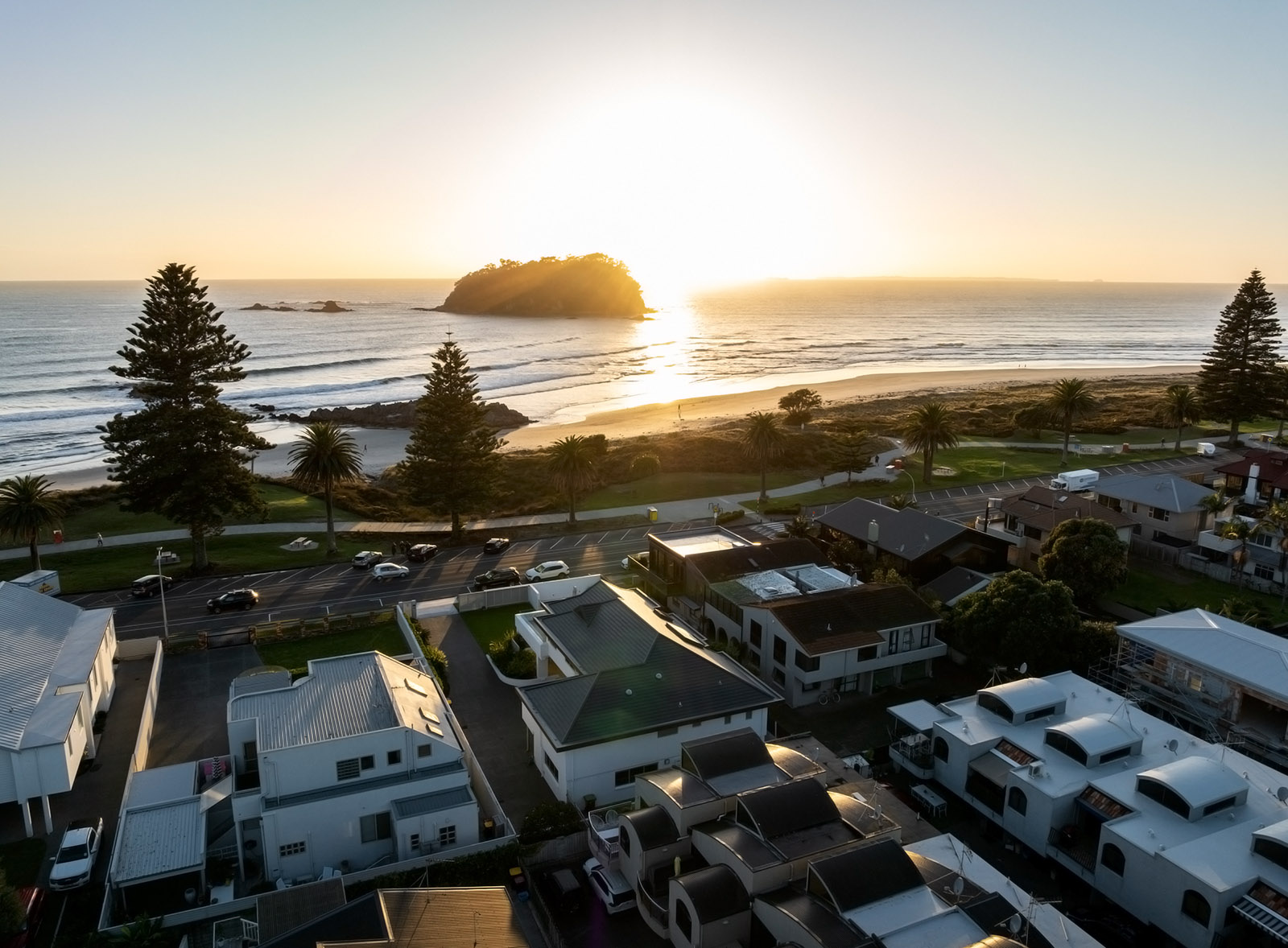
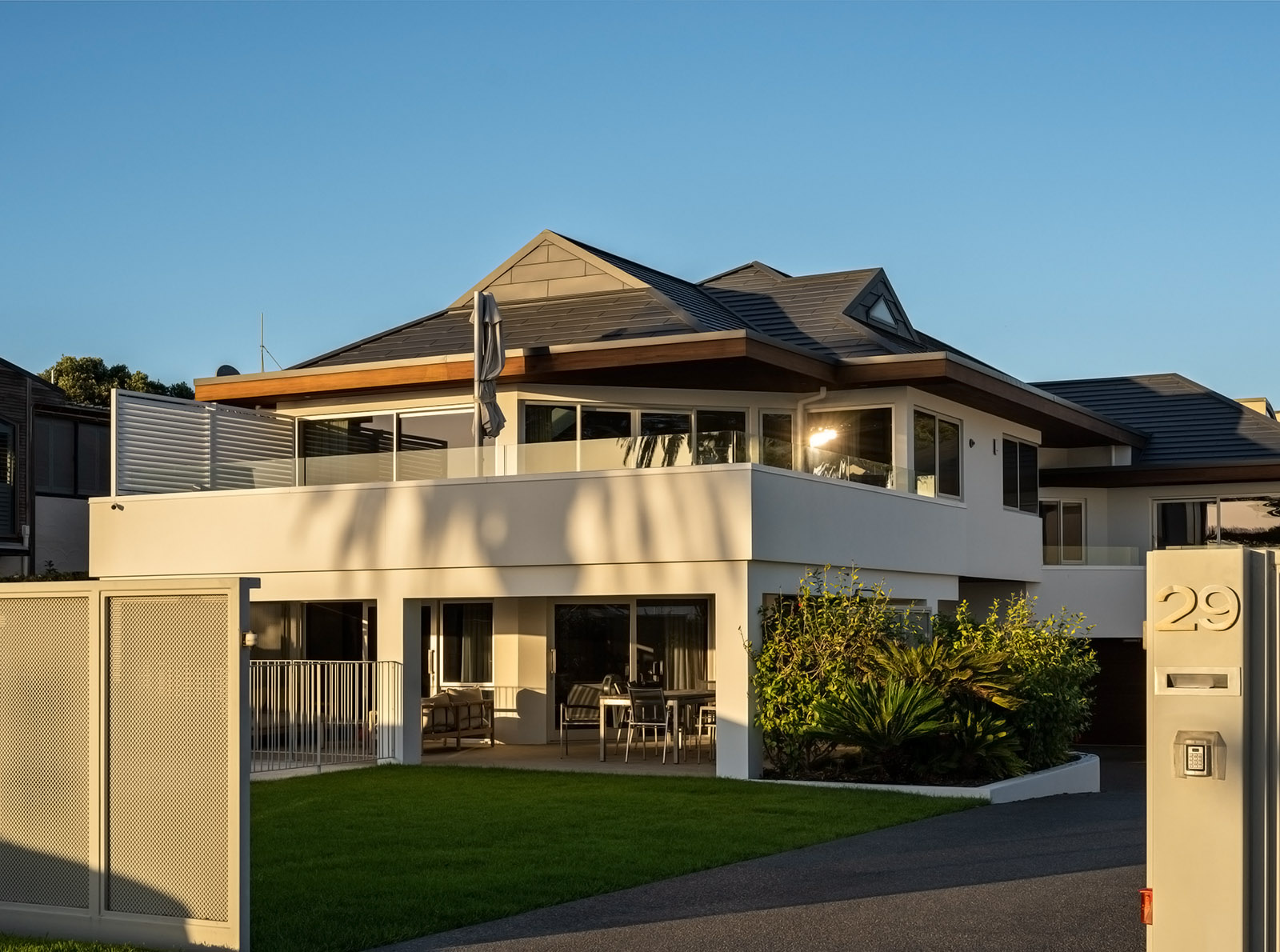
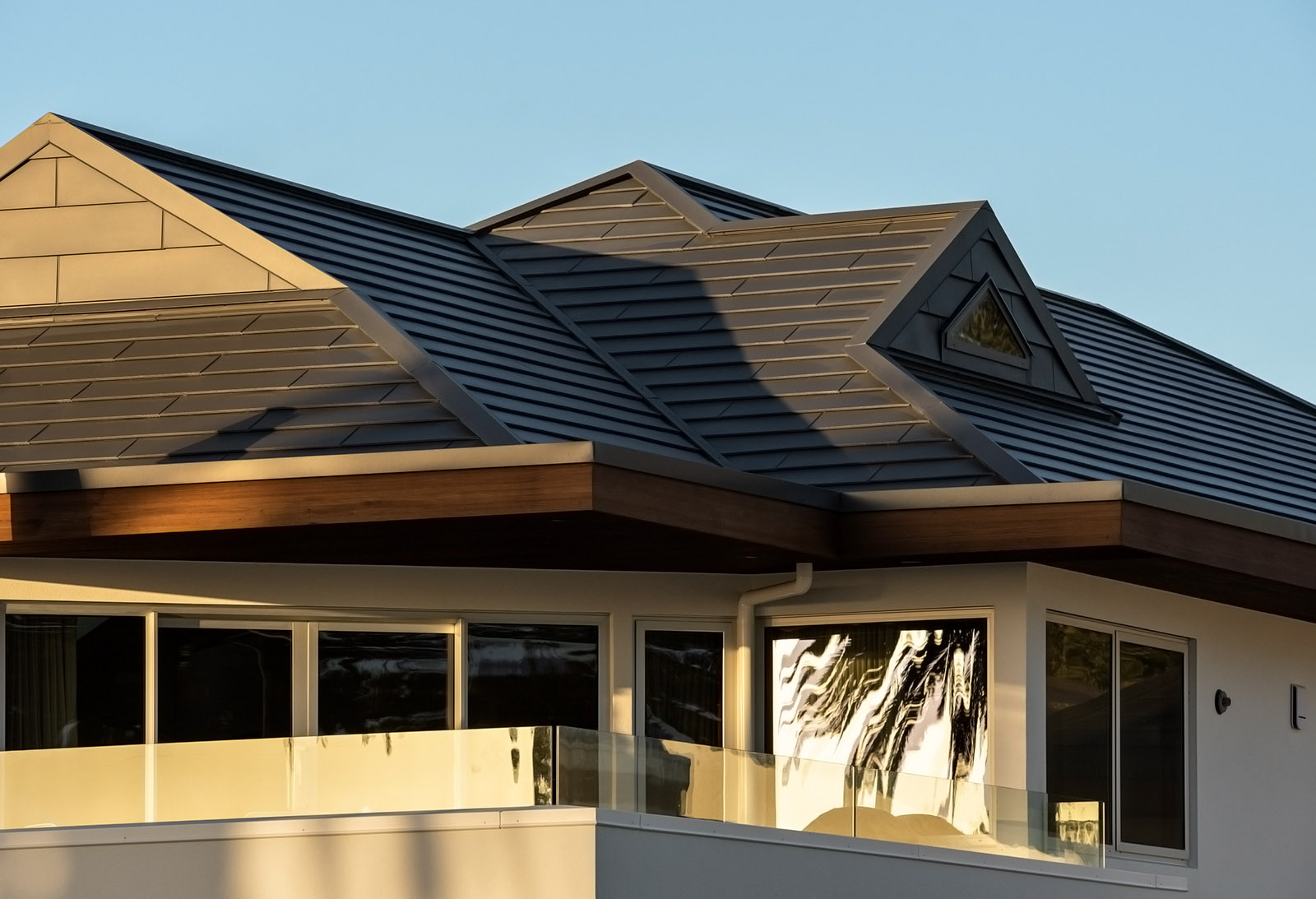
A prominent project ATA has been working on is the remediation of an existing beachfront property in Mt Maunganui. The client and her builder reached out to Adam to look at options for upgrading the appearance and performance of the structure which was struggling to cope with the property’s environmental conditions.
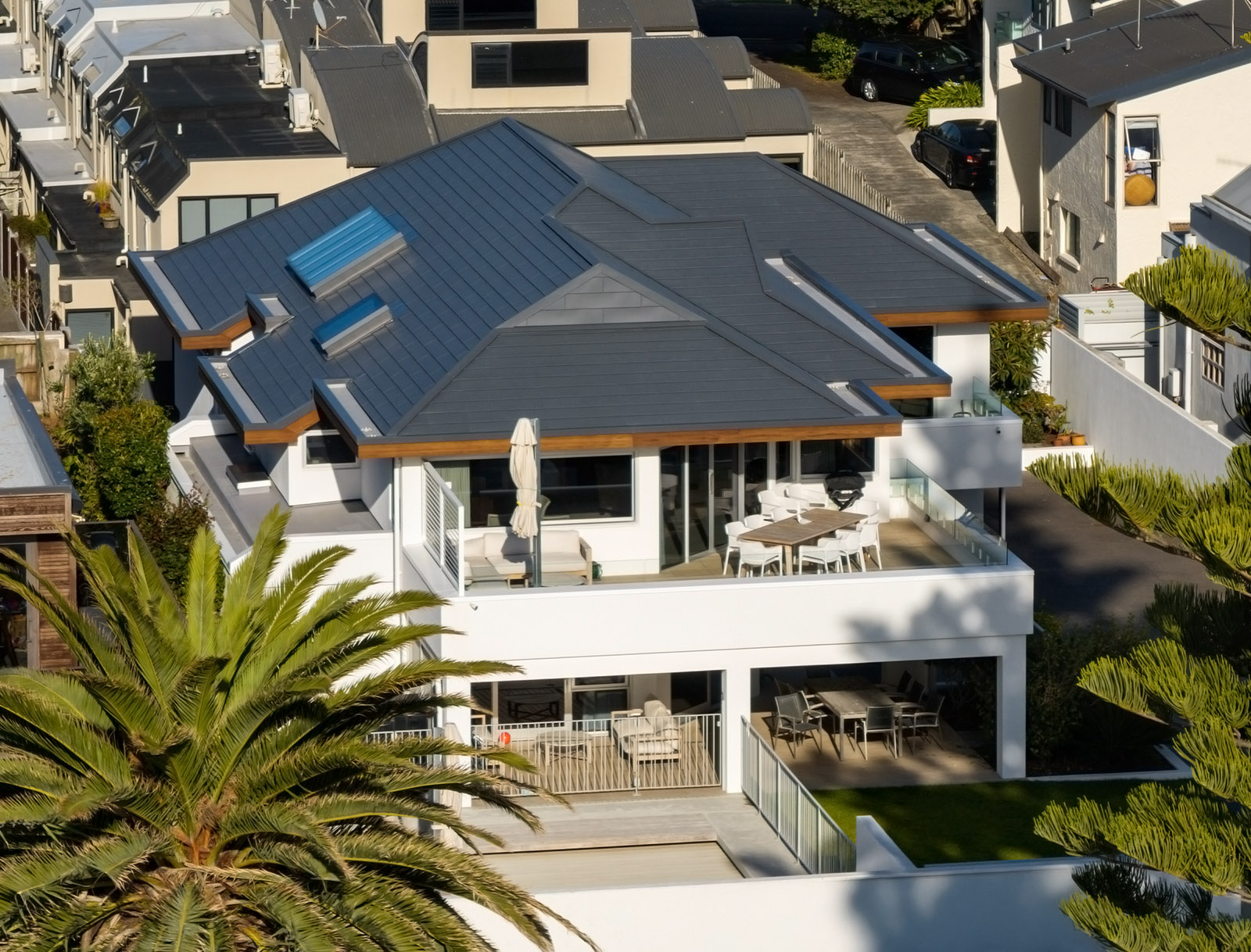
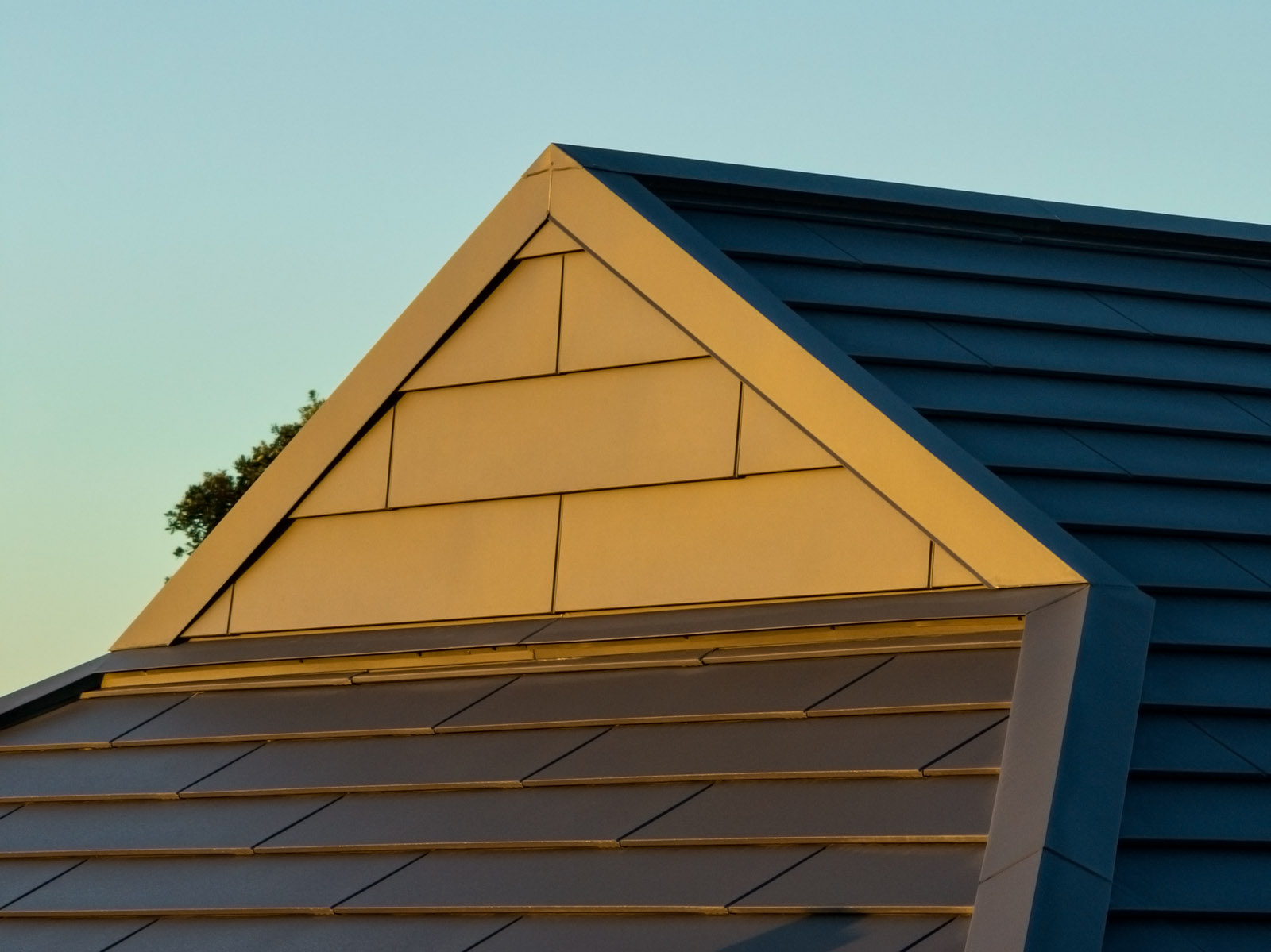
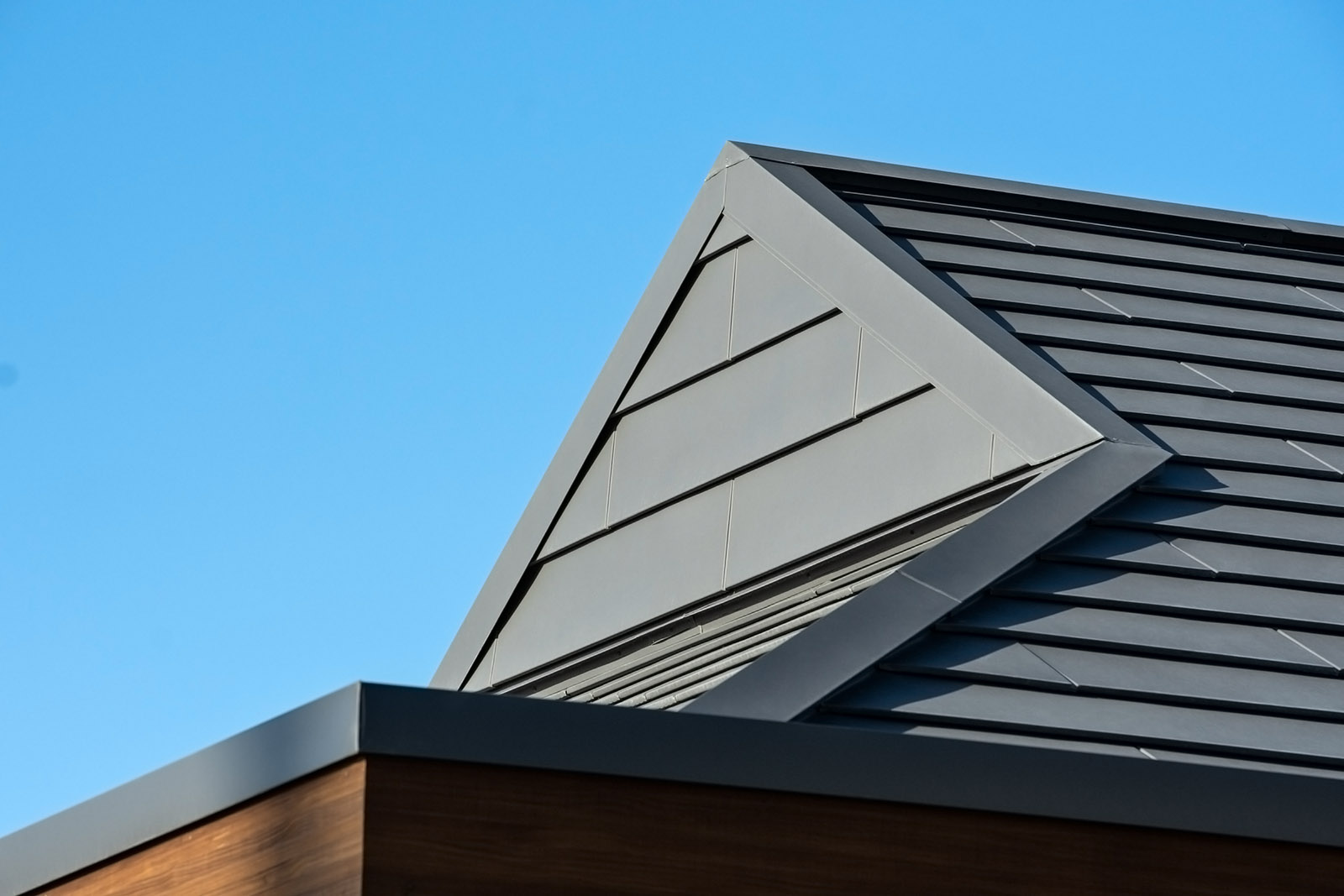
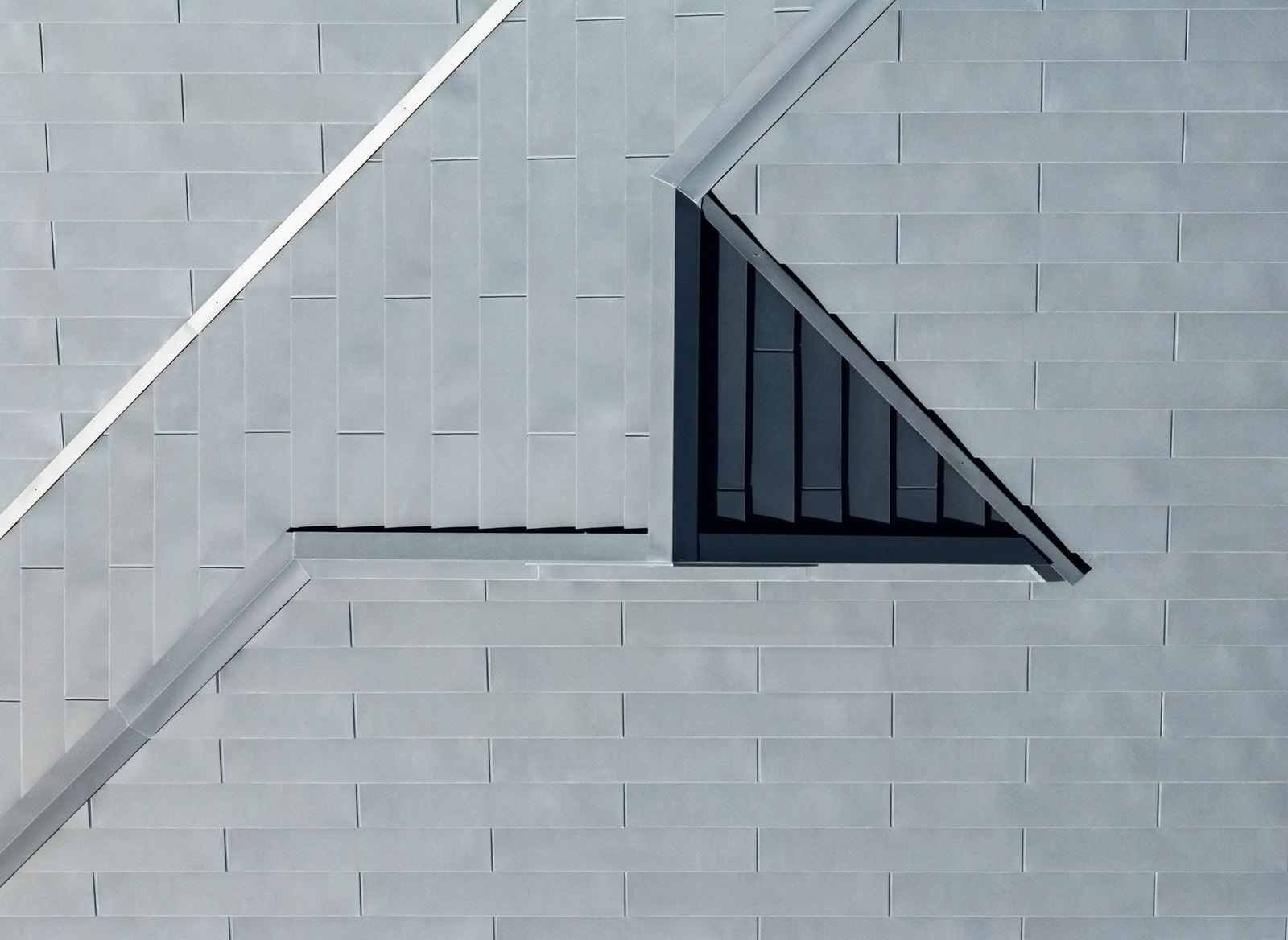
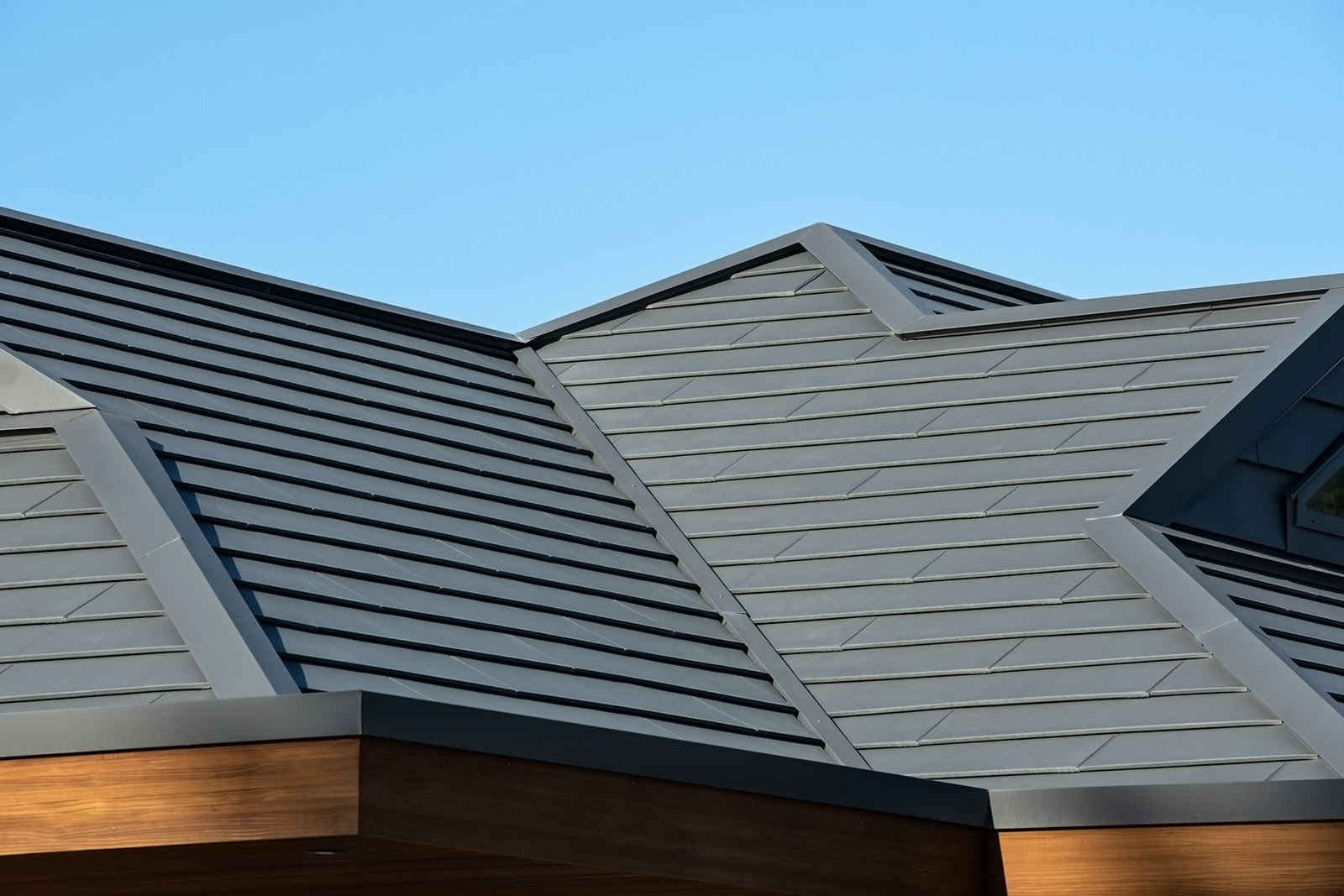
The project evolved throughout the design process, ending up with a full reclad of the first floor, redesigned deck and balustrades, and a complete rework of the roof. The original roof was a concrete tile design, with a large stainless steel fascia. The roof planes and valleys channelled water through to internal gutters which were undersized for the roof capacity in particularly heavy downpours. This ultimately led to water-ingress issues over time.
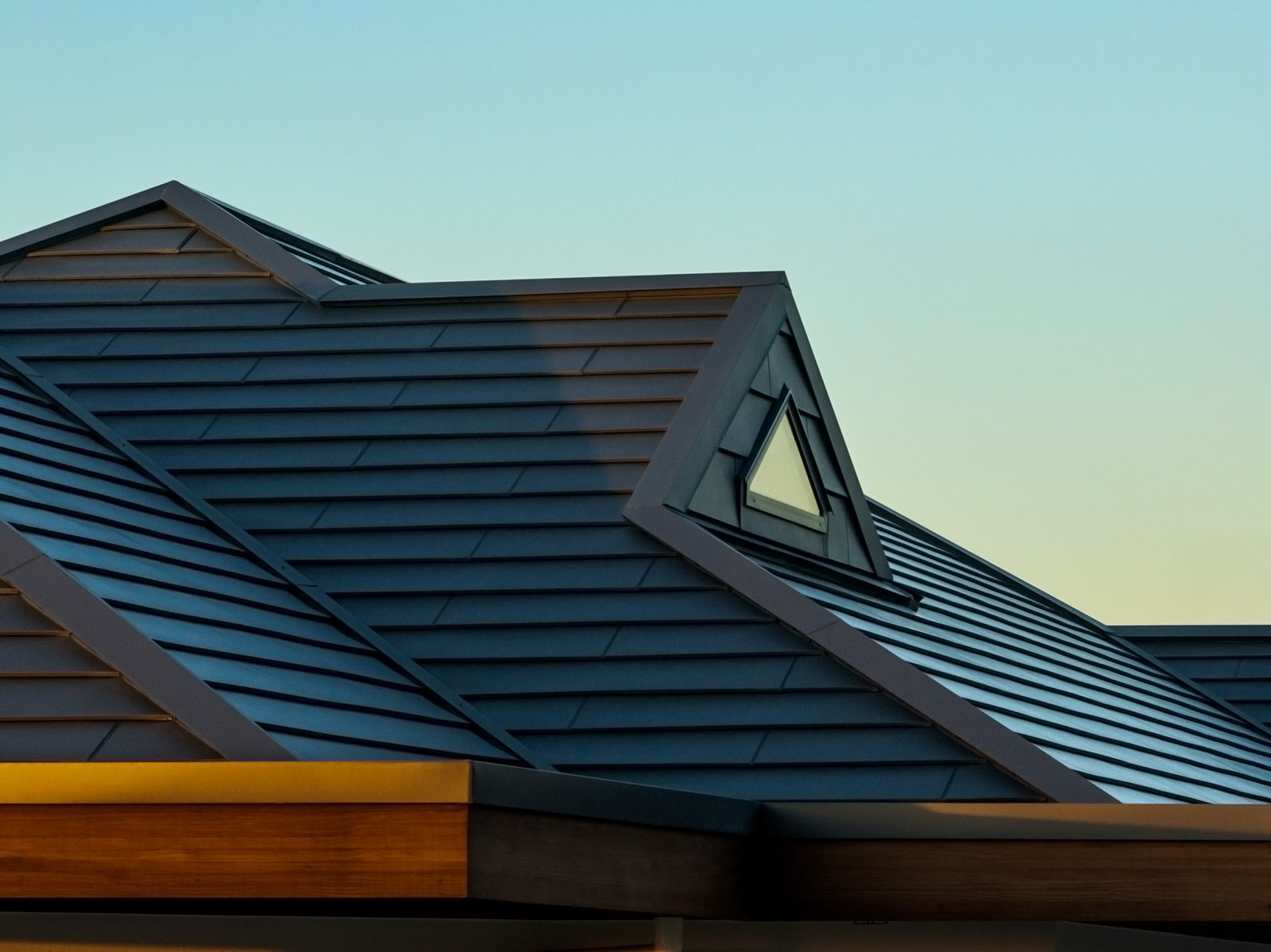
The new roof design increased the internal gutter size and spouting, allowing for a larger water capacity which protected the roof structure from flooding. The increased internal gutter size created a larger overhang of the eaves, placing a greater visual impact on the roof and the roof design.